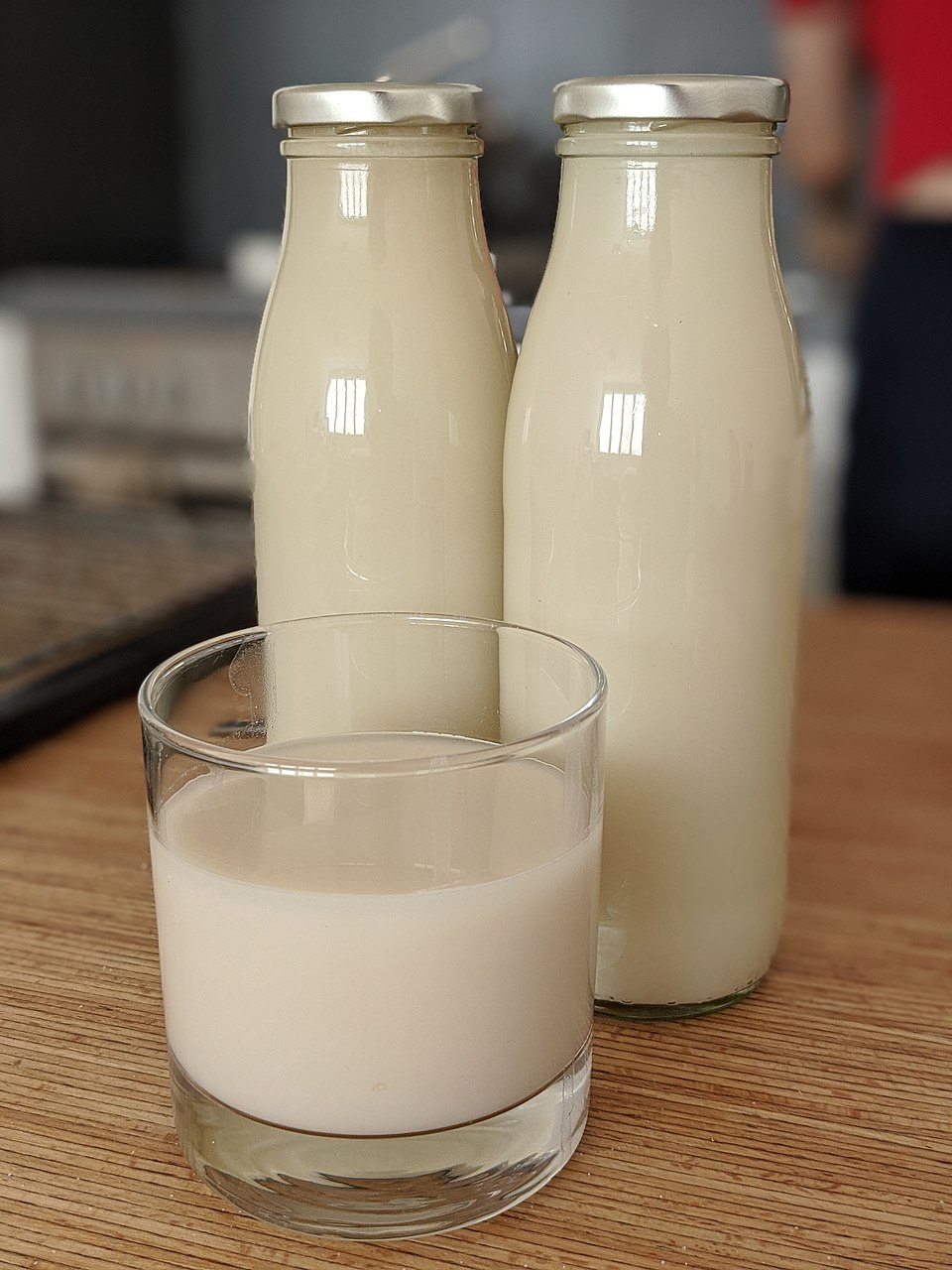
The culinary landscape has witnessed a dramatic shift in recent years, with plant-based alternatives stepping into the spotlight. Among these, oat milk has emerged as a clear favorite, captivating consumers with its creamy texture, mild flavor, and impressive versatility. Once a niche product, it's now a staple in coffee shops and grocery aisles worldwide, offering a compelling alternative to traditional dairy and other plant milks.
But beyond its undeniable appeal to taste buds and its convenience for those with dietary restrictions, how does oat milk truly stack up nutritionally? As more people embrace plant-based lifestyles or seek allergen-friendly options, understanding the full nutritional profile of oat milk compared to its counterparts becomes crucial. This article delves deep into the nutritional world of oat milk, comparing its benefits and composition to other popular plant milks, and helping you make an informed choice for your health.
The Ascent of Oat Milk: Why the Hype?
The meteoric rise of oat milk isn't just a trend; it's a testament to its broad appeal. From being a specialty item to becoming a household name, you can now find it in your morning latte at popular coffee chains, stocked in abundance at your local supermarket, and even transforming into delightful desserts like oat milk ice cream. So, what's driving this immense popularity?
Firstly, oat milk naturally addresses several common dietary concerns. It is vegan, dairy-free, and inherently free of lactose, making it a perfect choice for individuals with lactose intolerance or those following a plant-based diet. Furthermore, it's naturally free of common allergens like nuts and soy, offering a much-needed alternative for people with these specific allergies or sensitivities. It's important to note, however, that while oats are naturally gluten-free, cross-contamination can occur during processing. For individuals with celiac disease or gluten intolerance, opting for oat milk made from certified gluten-free oats is essential.
Beyond its allergen-friendly profile, oat milk boasts a naturally smooth and creamy texture, making it an excellent base for coffee, tea, smoothies, and a wide array of culinary applications. Its mild, slightly sweet, "oaty" flavor is less assertive than some other plant milks, allowing it to blend seamlessly without overpowering other ingredients. This versatility, combined with its accessibility and growing reputation as a healthy option, has cemented oat milk's place as a frontrunner in the plant-based revolution.
Nutritional Breakdown: What's Inside Your Oat Milk?
While the taste and texture of oat milk are certainly winning factors, its nutritional composition is equally compelling. Oat milk is often celebrated for being a good source of various vitamins, minerals, and fiber, though its exact nutritional content can vary significantly between commercial and homemade versions.
Commercial Fortification vs. Homemade Goodness
Unlike whole oats, oat milk itself isn't as inherently packed with every nutrient. However, most commercial oat milk brands are fortified, meaning they have added vitamins and minerals to enhance their nutritional value. This fortification often includes:
- Calcium and Vitamin D: Crucial for bone health, especially important for those avoiding dairy.
- Potassium and Iron: Essential electrolytes and minerals for various bodily functions.
- B Vitamins (Riboflavin B2 and B12): These are particularly notable. B vitamins are vital for energy production, nerve function, and red blood cell formation. They may help alleviate stress, combat oxidative damage, and contribute to healthy hair, nails, and skin. As Vitamin B12 is primarily found in animal products, fortified oat milk offers a valuable source for vegans and vegetarians.
- Vitamin A: Important for vision and immune function.
Homemade oat milk, while allowing for customization and control over ingredients (like avoiding added sugars or oils), typically lacks these added nutrients unless you choose to fortify it yourself. For comprehensive nutrition, store-bought, fortified versions often offer a more robust micronutrient profile.
Key Macronutrients and Unique Fibers
When looking at macronutrients, oat milk generally contains more calories, carbohydrates, and fiber than almond, soy, and traditional cow's milk. It typically provides less protein than soy and dairy varieties, which is an important consideration for those monitoring their protein intake. However, one of oat milk's standout nutritional features is its high content of beta-glucan.
Beta-glucan is a type of soluble fiber known for its remarkable heart health benefits. When consumed, beta-glucan forms a gel-like substance in your digestive tract that can bind to cholesterol, particularly low-density lipoprotein (LDL) or "bad" cholesterol, and reduce its absorption. This mechanism helps to significantly lower overall blood cholesterol levels. Research supports this; for instance, an older study from 1999 showed that consuming 3 cups (750 mL) of oat milk daily for five weeks reduced total and LDL cholesterol by 3% and 5%, respectively, in men with high cholesterol. Furthermore, a comprehensive review of 58 studies highlighted that an average daily intake of 3.5 grams of beta-glucan over 5–6 weeks led to substantial reductions in cholesterol levels. This makes oat milk a smart choice for individuals looking to support their cardiovascular health.
Oat Milk vs. The Alternatives: A Nutritional Showdown
With a plethora of plant milks available, how does oat milk stack up against its competitors? The "best" milk alternative ultimately depends on individual dietary needs, preferences, and health goals. Here's a brief comparison:
Oat Milk vs. Almond Milk
- Oat Milk: Generally higher in calories, carbohydrates, and fiber. It also tends to be richer in added B vitamins due to fortification. Its creamy texture makes it excellent for coffee.
- Almond Milk: Typically lower in calories and carbohydrates, and often contains more Vitamin E. However, it usually provides less protein and fiber than oat milk. While a popular choice, it's not suitable for those with nut allergies, whereas oat milk is.
Oat Milk vs. Soy Milk
- Oat Milk: Offers a good source of fiber (beta-glucan) and fortified B vitamins. It's a great choice for those avoiding common allergens like soy.
- Soy Milk: Stands out for its higher protein content, making it nutritionally closer to cow's milk in this regard. However, soy is a common allergen, which can be a limiting factor for some.
Oat Milk vs. Cow's Milk
- Oat Milk: Naturally lactose-free and cholesterol-free. Fortified versions can match cow's milk in calcium and vitamin D, but generally contain less natural protein. The beta-glucan content is a unique advantage for heart health.
- Cow's Milk: A natural source of high-quality protein, calcium, and vitamin D (often fortified). However, it contains lactose and saturated fat, which can be issues for some.
In essence, each milk alternative brings its unique nutritional benefits to the table. Oat milk shines for its fiber content, heart-healthy beta-glucan, and its comprehensive allergen-free profile, making it a versatile and increasingly popular choice.
Making the Most of Oat Milk: Tips and Considerations
Integrating oat milk into your diet can be a delicious and beneficial experience. Whether you opt for store-bought or homemade, there are a few tips to maximize its potential.
Store-Bought vs. Homemade
- Store-bought: Offers unparalleled convenience, consistent texture, and crucially, often comes fortified with essential vitamins and minerals like calcium, vitamin D, and B12. This makes it a more nutritionally robust choice for those relying on plant milks for these nutrients. Always check labels for unsweetened varieties to avoid excessive added sugars.
- Homemade: A fantastic option for those who prefer to control ingredients. It’s cost-effective and surprisingly easy to make. All you need is oats, water, a blender, and a fine-mesh strainer. Unlike nut milks, it often doesn't require soaking or a special nut milk bag. For a smooth and creamy homemade version perfect for coffee, baking, and more, check out our guide on how to Make Your Own Oat Milk: Easy, Creamy Recipe in Just 5 Minutes. If you have gluten sensitivities, remember to use certified gluten-free oats.
Practical Tips for Enjoying Oat Milk
- Shake Well: Commercial oat milk can sometimes separate, so a good shake before pouring ensures a consistent texture and flavor.
- Check for Gluten-Free Certification: For those with celiac disease or gluten intolerance, always look for products explicitly labeled "certified gluten-free."
- Mind the Sugars: Many flavored oat milk products contain added sugars. Opt for "unsweetened" varieties whenever possible, especially if you're mindful of sugar intake.
- Culinary Versatility: Don't limit oat milk to just beverages. Its creaminess makes it an excellent substitute for dairy milk in baking, cooking savory dishes, making creamy sauces, or enriching smoothies and overnight oats.
- Consider Environmental Impact: While not a direct nutritional point, oats generally have a lower environmental footprint compared to some other plant milk sources, particularly almonds, in terms of water usage. This can be an added benefit for environmentally conscious consumers.
Oat milk provides a sensible and delicious option for those with various dietary restrictions or preferences, offering a unique blend of heart-healthy fiber and essential fortification.
Conclusion
The rise of oat milk signifies more than just a passing trend; it reflects a growing consumer demand for plant-based options that are both nutritious and delicious. With its creamy texture, mild flavor, and impressive nutritional profile, oat milk stands out as a formidable contender in the plant milk arena. It offers a unique advantage with its heart-healthy beta-glucan fiber and provides an invaluable allergen-free choice for those avoiding dairy, nuts, soy, and potentially gluten (when certified). While commercial versions benefit greatly from fortification with essential vitamins and minerals, homemade options offer customization and freshness.
Whether you're looking to reduce cholesterol, manage allergies, embrace a vegan lifestyle, or simply explore new flavors, oat milk presents a versatile and beneficial addition to your diet. Its journey from a niche product to a mainstream favorite is well-deserved, cementing its place as a staple for health-conscious consumers worldwide.
